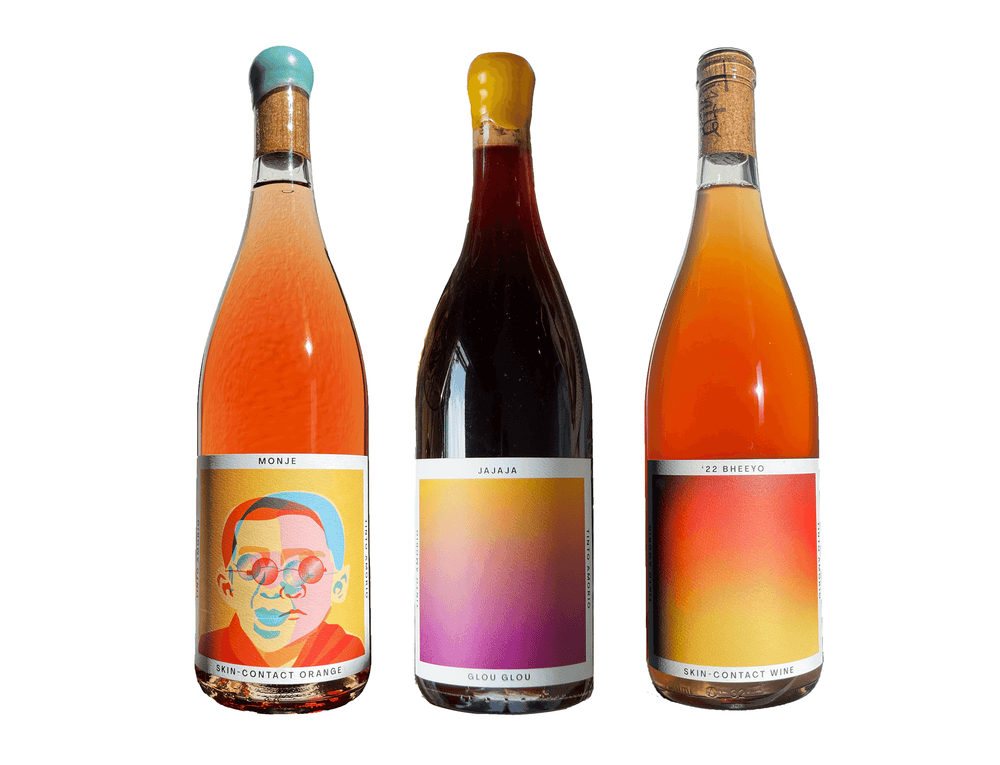
We Tasted Our Way Through California's Natural Wines. These 3 Are the Only Ones Worth Knowing.
From dry-farmed Mendocino Zinfandel to a 93-point Monterey orange wine — skip the $40 gambles and the bottles that taste like a science experiment. We did the hunting. Here's the curated trio winning over newcomers and sommeliers alike.
By the Tinto Tasting Desk · Updated June 2026 · 5 min read
If you've ever stood in the natural-wine aisle squinting at a label you can't pronounce, hoping $38 doesn't taste like kombucha — this is for you. Natural wine is having its moment, and most of it is, frankly, a gamble. Cloudy, funky, hit-or-miss.
So we cut through it. Out of hundreds of California bottles, three keep landing on the table again and again — the ones that convert skeptics, impress the wine-obsessed, and disappear from inventory fastest. Here's exactly why, what's in the glass, and how to try all three at once without rolling the dice.
1
Someone finally did the tasting for you
There are thousands of "natural" wines now, and the category has no quality bar — the label means almost nothing. That's why most people who try one bad bottle never come back.
This sampler is the shortcut: a tight, curated trio pulled from a much larger lineup, chosen to land with both first-timers and people who've been drinking orange wine since before it was cool. Thousands of wine lovers have already made it their default way in. No research, no duds — just the three that earned their spot.
"The easiest way to find a natural wine you'll actually love."
2
Real California terroir — not a factory floor
The difference starts in the dirt. These aren't blends trucked in from anywhere; they're grown in three of California's most characterful pockets and made in Sonoma County the slow way — wild native yeast, unfined, unfiltered, hand-waxed by the bottle, and bottled on the new moon.
Mendocino
Dry-Farmed ZinfandelNo irrigation — older vines dig deep, concentrating flavor. The backbone of the red.
Potter Valley
Organic GewürztraminerHigh-elevation aromatics that give the wines their floral, citrus lift.
Monterey
Coastal GewürztraminerCool ocean nights = bright acidity and that sea-breeze finish on the oranges.
Three sites, one philosophy: minimal-intervention winemaking that lets the grapes sing and makes wines that are living reflections of the land.
3
These barely make it to a shelf
Here's the part the wine shop won't tell you: the best small-batch California natural wines are made in tiny lots and gone before they're stocked. You're not buying a mass-produced label that's been sitting in a warehouse — you're getting something genuinely limited, made in single-vintage runs.
That's the quiet appeal. Pour one of these at dinner and the question is always the same: "Wait — where did you get this?" (Nowhere they can, is the honest answer.)
4
Clean by default — so the morning is, too
This is where natural wine actually earns the hype. Conventional wine can legally hide 60+ additives that never appear on the label — colorants, synthetic flavorings, processing agents, even animal products. Tinto's whole thing is the opposite:
🌿
Organic, dry-farmedReal grapes, grown right — no irrigation crutch
🍇
Vegan & unfinedNo animal-derived fining agents
✨
Minimal sulfurUnder 30ppm — a fraction of conventional wine
🍯
0g added sugarBone-dry, the way wine should be
And because there's no sugar and nothing synthetic, the numbers are easy on you — roughly a glass of wine, without the baggage:
~90calper glass
0gsugar
2.5gcarbs
Clean ingredients in, better mornings out. The same glass of wine you love — just without the junk you didn't know was in it.
5
Meet the three that made the cut
Tasted blind, ranked by how fast we reached for a second glass.
🥇
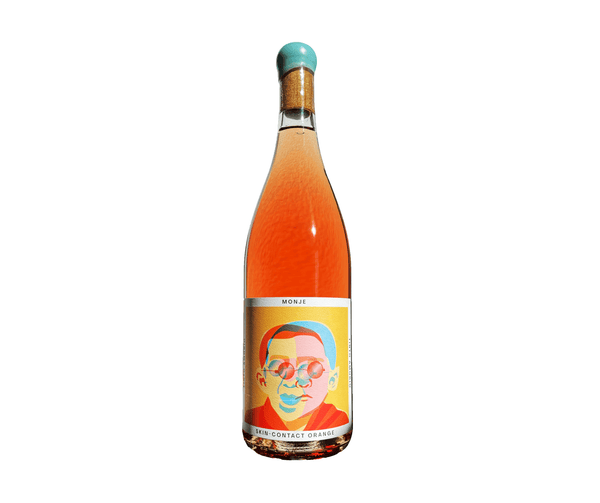
Monje
Skin-Contact Orange · 9-Day
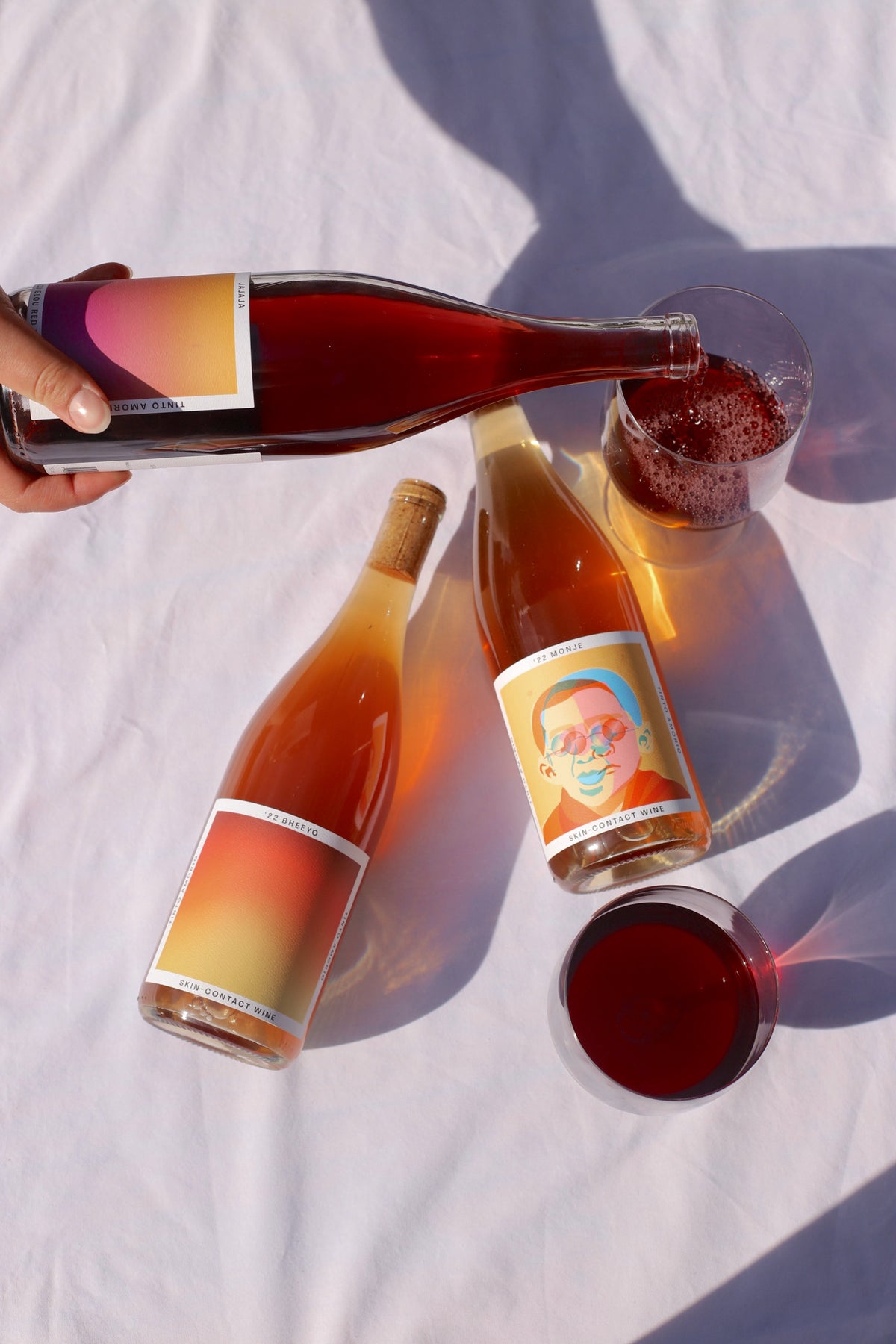
Royal mandarin orange and double-delight nectarine. Bright, juicy, candy-like, with an ocean sea-breeze finish. The crowd-pleaser — the bottle that turns "I don't get orange wine" into "okay, one more."
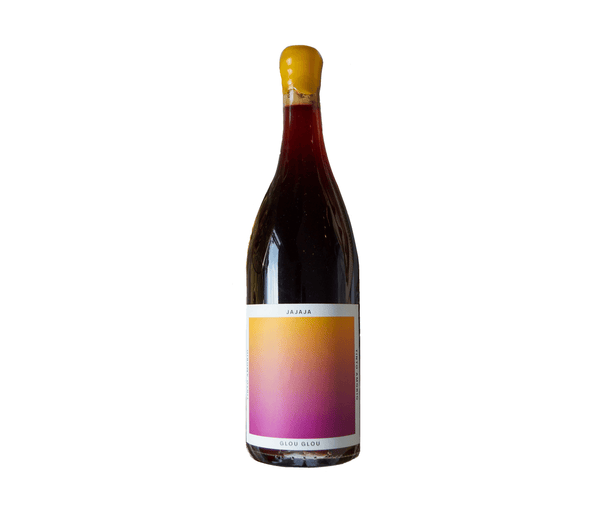
Vibrant ruby red with exotic cherry-cola berry spice, raspberry and rhubarb, bright acidity, and a smooth glou-glou finish. Chillable, gluggable, impossible to put down — hence the name.
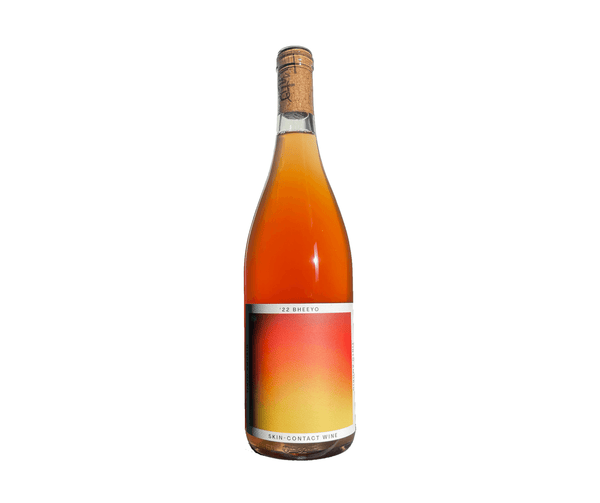
Sunset-sherbet color with tropic-gold apricot, temple-orange notes, and peach-ring aromatics over an energetic, lively finish. The deeper, more complex pour — extended skin contact and lees aging for serious texture. For when you want to show off a little.
"Best orange wine I've tried and in my top 3 reds ever. Can't rave enough about how good this wine is."
— Josh, verified buyer
As seen in VICE · Food&Wine · VinePair · Harper's Bazaar · Forbes · Wine Enthusiast (93 pts)
6
The smart way to try all three
You could buy three random bottles and hope. Or start with the sampler that's already done the curating — every pack includes all three wines, equal split.
Try the Trio
3 Bottles
$32.70/btl
⭐ Most Popular
Stock Up
6 Bottles
$29.43/btl
Free shipping
The Cellar
9 Bottles
$27.79/btl
Free shipping
Best Value
12 Bottles
$26.16/btl
Free shipping
✓Free shipping on 4+ bottles
✓10% off your first order with code TINTOFIRST10
✓Subscribe & save — same 10%, delivered every 1, 2, or 3 months. Skip or cancel anytime.
💡 Tip: the 6-bottle Stock Up is the sweet spot — free shipping kicks in and the per-bottle price drops, so most people start there.
⚠️ BUILD NOTE: if a money-back/taste guarantee exists, add it here ("Love it or we'll make it right"). Highest-leverage line on the page for cold traffic.